Using Expressive Arts in Therapy with Children and Teens
In recognition of International Play Therapy Week 2026 (February 1-7, 2026), themed “Where Play Therapy and Creativity Collide,” CARE Psychology is highlighting how expressive arts and play therapy naturally come together to support children and teens in meaningful, developmentally appropriate ways.

As we celebrate International Play Therapy week, it’s the perfect time to talk about one of our favourite play activities: expressive arts.
If you’ve ever watched a child draw, build, move, or create freely, you know it’s more than just an activity. Creativity is one of the ways children make sense of their world, explore emotions, and express experiences they may not have the words to describe. For many children and teens, creative expression can feel safer and more accessible than talking alone.
What Is Expressive Arts?
The expressive arts include a range of creative modalities such as art-making, sand tray, movement, music, drama, and creative writing. When used in therapy, these approaches offer children and teens additional ways to express thoughts, feelings, and experiences that may be difficult to communicate through words alone.
Research suggests that Play Therapy is an effective treatment approach at any age. At CARE Psychology, we use the foundations of play therapy alongside expressive arts modalities to help clients connect, explore, and express what may be hard to put into words. By making space for creativity and play, healing is able to unfold naturally.
The emphasis is always on the process of creating, not on artistic skill or the final product.
How Does Expressive Arts Help?
Children and teens do not always have the language to explain what they are feeling or what they have experienced. Emotions, memories, and sensations are often held in the body, images, and play rather than in words.
Using expressive arts in therapy allows for multiple ways to explore these experiences. Creative mediums offer different entry points, helping clients develop insight, build emotional awareness, and strengthen regulation skills in ways that feel safe and accessible.
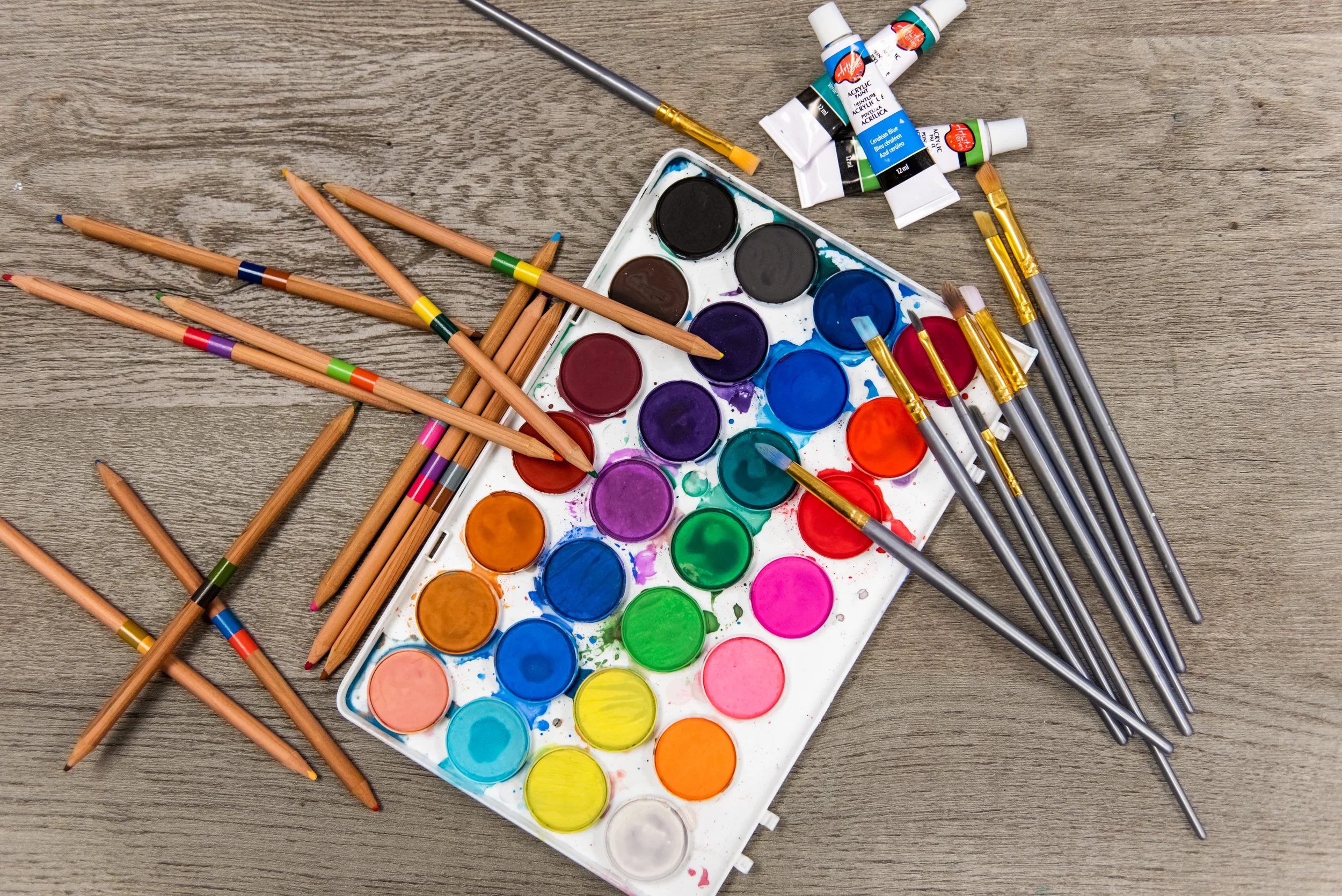
For those who have experienced stress or trauma, talking directly about events can feel overwhelming or even impossible. Expressive arts provide non-verbal pathways for expression, allowing experiences to be externalized and explored at a pace that feels manageable.
Expressive arts in therapy can support:
Increased emotional awareness
Improved emotional regulation and coping
Reduced anxiety and emotional overwhelm
A greater sense of safety and control
What If My Child Is Not Artistic?
No artistic ability is required.
Using expressive arts in therapy is not about talent, performance, or creating something that looks a certain way. Instead, it offers children and teens another way to express themselves beyond talking.
Through creative expression:
feelings can be expressed and released
experiences can be shared without needing the “right” words
inner strengths and resources can be discovered
new perspectives can emerge naturally
This approach can be especially helpful for children, who often communicate most clearly through play, imagination, and sensory experiences. Expressive arts offer a creative outlet that engages these strengths while respecting each child’s developmental stage.
Using Expressive Arts Through a Play Therapy Lens
Expressive arts are often integrated naturally within play therapy sessions. Both approaches rely on imagination, symbolism, and non-verbal expression, making them well suited to working with children and teens.
Play therapy is grounded in the understanding that play is a child’s primary language. Through toys, stories, games, and creative play, children can communicate emotions, relationships, and experiences in ways that feel safe and non-threatening.

When expressive arts are used within a play therapy framework, sessions become flexible and responsive to the child’s needs in the moment. For example:
a child may build a scene in the sand tray and use movement or sound to express emotions
figures or dolls may be used to reenact a stressful experience, followed by art that reflects how the body felt
play, storytelling, and creative expression may flow naturally together within a single session
Moving between play and expressive arts supports processing on emotional, sensory, relational, and cognitive levels. This can be especially supportive when experiences feel difficult to put into words.
Creativity, Play, and Healing
Children and teens naturally heal through creativity, connection, and play. Using expressive arts within therapy creates space for exploration without pressure, expression without judgment, and healing at a pace that feels right.
When children and teens are allowed to move between the expressive arts and play, pathways to healing open that can be transformative.

This International Play Therapy Week, we celebrate the powerful space where play therapy and creativity meet, and the meaningful ways children and teens show us their inner worlds when given the freedom to play.
We are offering Expressive Arts and Anxiety therapy groups for children ages 7-9 and 10-12 starting in March 2026. Contact Us to learn more or visit our groups page for more details.
Contact us to book a complimentary consultation—we’ll help you connect with the right member of our team.
Kind Regards,
Meagan
CARE Psychology